
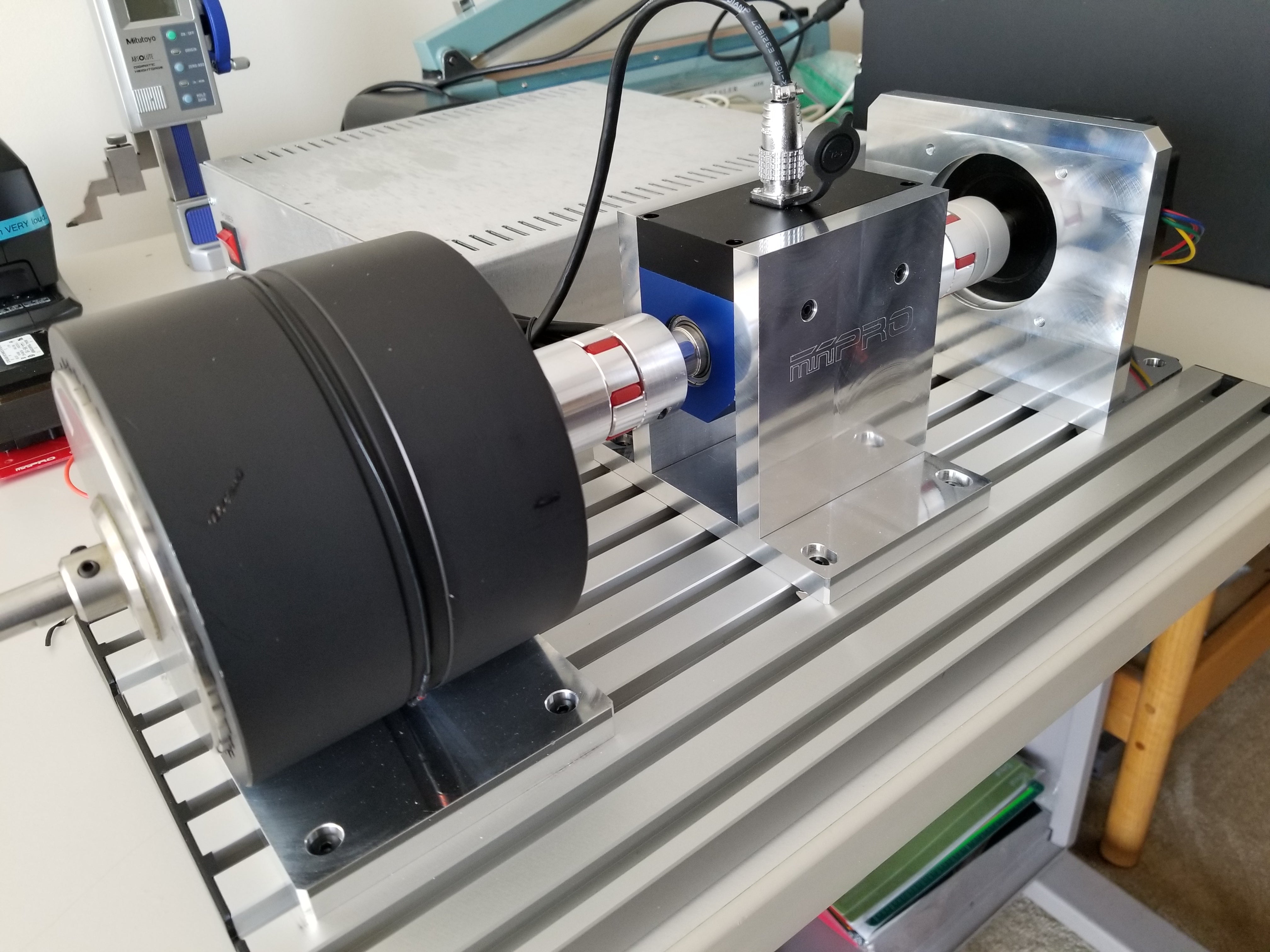
What is a Brake Dyno?
Brake dynamometers (dynos) are devices used to measure the power output and efficiency of engines and motors by simulating the resistance and load of an actual operating system. They are commonly used in the automotive industry to test the performance of vehicle engines, but they can also be used in industrial and laboratory settings to test the efficiency of electric motors and other power sources.
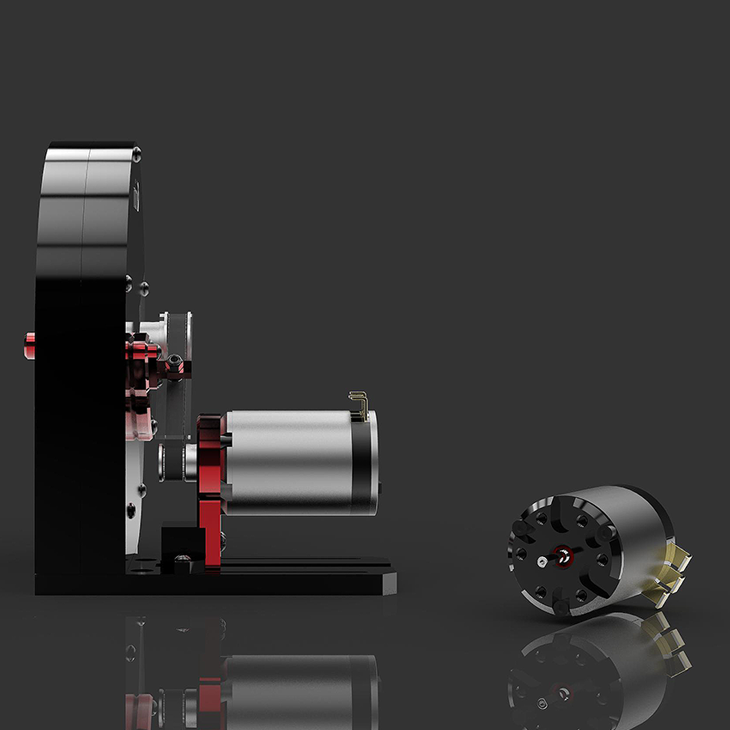
The basic principle behind a brake dynamometer is to apply a load to the engine or motor being tested in order to measure its power output. This is typically done by connecting the engine to a dynamometer unit that uses a frictional brake to simulate the load of an operating system. As the engine runs, the brake applies a resistive force that can be measured to determine the engine's power output.
There are several different types of brake dynamometers available, each with its own unique features and advantages. One common type is the eddy current dynamometer, which uses an electromagnetic field to generate the resistive force instead of a physical brake. Another type is the water brake dynamometer, which uses water as a resistive medium to simulate the load on the engine.
Brake dynamometers are widely used in the automotive industry to test the power output and efficiency of vehicle engines. By measuring the engine's torque and rotational speed, the dynamometer can calculate the engine's horsepower and determine its overall performance. This information is crucial for automotive engineers and manufacturers, who use it to optimize engine design and improve fuel efficiency.
In addition to automotive applications, brake dynamometers can also be used in industrial and laboratory settings to test the efficiency of electric motors and other power sources. By simulating the load of an operating system, the dynamometer can measure the motor's power output and determine its overall efficiency. This information can be used to optimize motor design and improve energy efficiency in a wide range of applications.
Overall, brake dynamometers are powerful tools for measuring the power output and efficiency of engines and motors. Whether used in the automotive industry, industrial settings, or laboratory environments, these devices provide valuable information that can be used to optimize performance, improve fuel efficiency, and reduce energy consumption. As technology continues to advance, brake dynamometers will likely continue to play an important role in testing and optimizing power sources of all types.
Related Posts

What is an Inertia Dyno?

What is Electromagnetic Interference (EMI)?
What is a Brushless Motor?
What is a Brushed Motor?
Inertia vs. Brake Dynos
Advantages of using an Inertia Motor Dyno