What is a Brushed Motor?
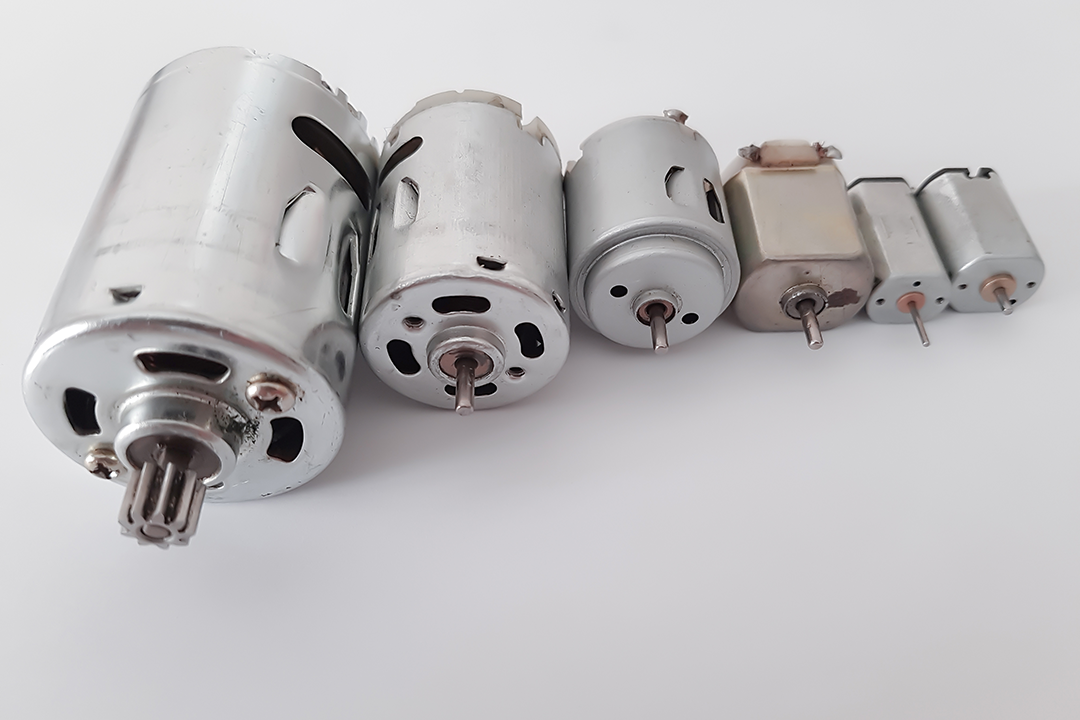
Brushed motors, also known as DC motors, are a type of electric motor that has been used for many years in a variety of applications. They consist of a rotor, a stator, and a set of brushes that transfer electrical energy to the rotor, causing it to spin. While brushed motors have some disadvantages compared to newer brushless motors, they still have a number of advantages that make them useful in certain applications.
One of the advantages of brushed motors is their simplicity. Because they use a simple design with only a few components, brushed motors are easy to manufacture, repair, and maintain. They are also relatively inexpensive compared to more complex motor designs.
Another advantage of brushed motors is their ability to deliver high torque at low speeds. This makes them well-suited for applications that require a lot of power, such as power tools or heavy machinery. Additionally, brushed motors have a linear speed-torque relationship, meaning that their torque output is proportional to their rotational speed, making them easy to control and regulate.
Brushed motors also offer good performance at low voltages. Because they do not require complex electronic control systems, brushed motors can be powered using simple batteries or power supplies. This makes them ideal for applications where a simple and reliable power source is required, such as in toys or small electronics.
However, there are some disadvantages to brushed motors. One of the main drawbacks is their relatively low efficiency compared to newer brushless motors. The brushes that transfer electrical energy to the rotor create friction and wear, leading to energy loss and reduced efficiency. Additionally, the brushes can wear down over time and require replacement, adding to the maintenance costs of brushed motors.
Another disadvantage of brushed motors is their susceptibility to electromagnetic interference (EMI). The brushes in brushed motors can generate EMI, which can interfere with other electronic devices and cause issues such as radio interference or signal distortion. This makes them less suitable for applications where high levels of EMI are a concern, such as in medical equipment or high-precision electronics.
In conclusion, brushed motors have been used for many years and still offer some advantages in certain applications, such as high torque at low speeds, simple design, and good performance at low voltages. However, they also have some disadvantages, including low efficiency, susceptibility to EMI, and maintenance requirements. As technology continues to advance, newer motor designs such as brushless motors may become more prevalent, but brushed motors will still have their place in certain applications.
Related Posts
What is a Brake Dyno?

What is an Inertia Dyno?

What is Electromagnetic Interference (EMI)?
What is a Brushless Motor?
Inertia vs. Brake Dynos
Advantages of using an Inertia Motor Dyno